



Mitochondria, the engines inside our cells, slow down as we age or train hard. Damaged ones pile up, recovery lags, and energy dips. The body has a natural clean-up process called mitophagy, but it weakens over time.
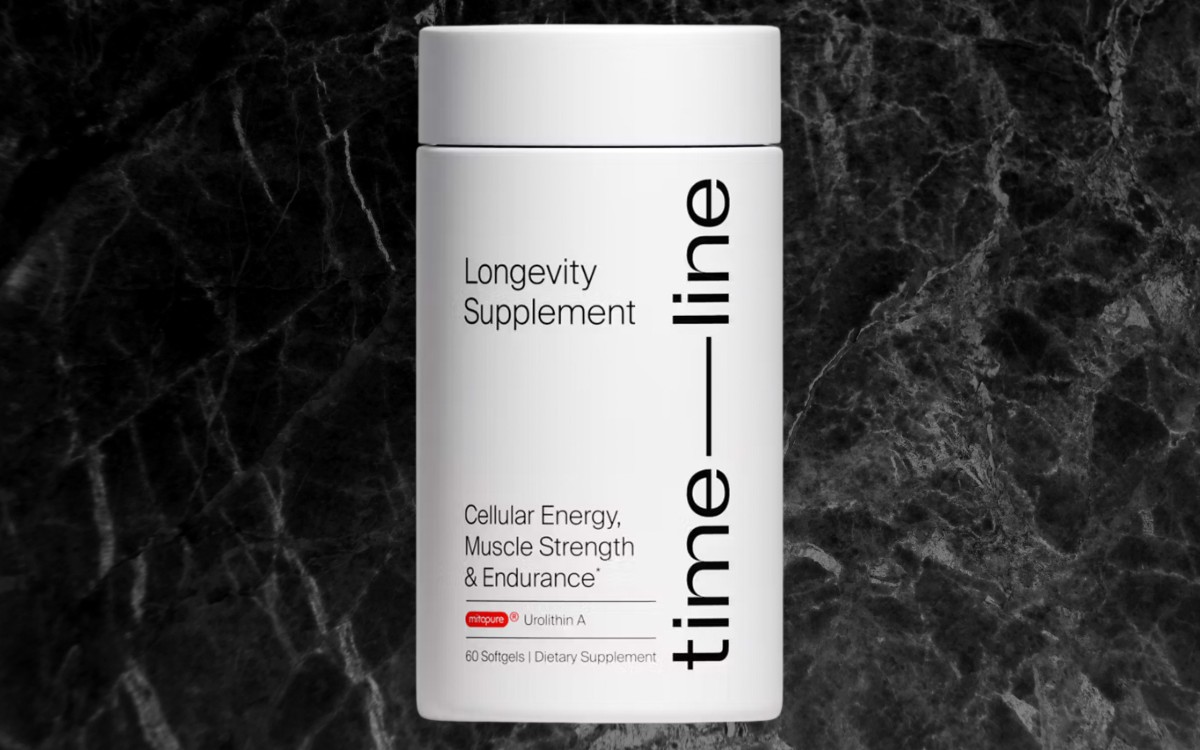
Mitopure, from Timeline Nutrition, delivers a pure dose of Urolithin A, a compound that stimulates mitophagy. Normally, your gut might make Urolithin A from foods like pomegranate or walnuts, but most people can’t produce enough. By supplementing directly, you get a reliable daily dose.
I tried Mitopure Softgels for two months while training and parenting on little sleep. This review blends that personal experience with the research, pricing, and how it compares to alternatives.
Quick Verdict
Mitopure is the most evidence-backed Urolithin A supplement available. Clinical trials show 500–1,000 mg daily improves muscle strength, endurance, and mitochondrial health after about 4 months.
Each serving delivers the same 500 mg used in those studies, and the product is NSF Certified for Sport.
The downsides are price and patience. At $125 a bottle, it’s expensive, and benefits come slowly. I noticed steadier energy and smoother recovery, but no dramatic short-term changes.
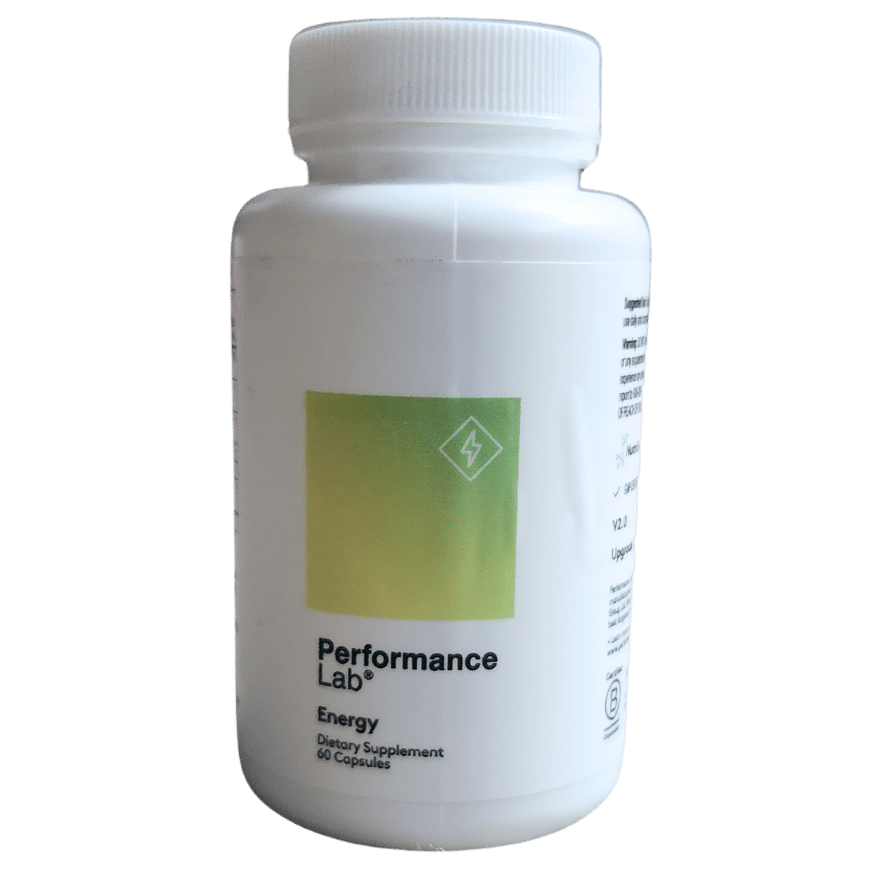
If you’re focused on longevity or recovery in your 40s and beyond, it’s worth considering. If you want something you feel right away, I’d lean toward Performance Lab Energy instead.
Pros
- Clinically tested doses of Urolithin A with real human trials backing them
- NSF Certified for Sport and GRAS-reviewed for safety and quality
- Clean, single-ingredient formula with no filler blends
- Available in multiple forms (softgels, powder, gummies) for easier adherence
Cons
- Expensive compared to other mitochondrial supplements
- Benefits are subtle and require at least 3–4 months to materialize
- No immediate “kick” like caffeine or pre-workouts
- Value is questionable if you’re under 40 and already training hard
What is Mitopure?
Mitopure is Timeline Nutrition’s flagship supplement and the first product to deliver pure Urolithin A in a standardized, clinically tested dose. Urolithin A is a postbiotic, a compound created when gut bacteria metabolize foods rich in ellagitannins, such as pomegranates, walnuts, and certain berries. The problem is, most people’s microbiomes don’t produce much (or any) Urolithin A.
That’s where Mitopure comes in. Instead of hoping your gut converts enough from diet, you get 500 mg of pure Urolithin A per serving. It’s sold in three formats: softgels, flavored powder, and gummies. I used the softgels for two months, but all three versions deliver the same active dose.
The goal isn’t a stimulant-like jolt but a long-term upgrade: nudging your body to recycle old, dysfunctional mitochondria and build a more efficient cellular engine. Clinical trials suggest that after a few months, this process can translate into better muscle strength, endurance, and recovery.
Mitopure Ingredients
Urolithin A — 500 mg
This is the heart of the formula. There are no blends, no filler ingredients, just one active compound in a dose large enough to match the science.
Human research on Urolithin A is surprisingly robust for a supplement:
- First-in-human trial (2019): Adults took 500 or 1,000 mg daily for four weeks. Both doses activated mitochondrial gene expression and improved biomarkers of mitophagy in skeletal muscle, with no safety concerns reported.
- Middle-aged adults (40–64, 4-month trial): Both 500 mg and 1,000 mg improved leg muscle strength (hamstring torque). The 1,000 mg group also showed improvements in aerobic endurance (VO? peak) and 6-minute walk distance, suggesting a dose-response effect for endurance outcomes.
- Older adults (65–90, 4-month trial): At 1,000 mg/day, participants saw better muscle endurance (more leg and hand contractions before fatigue) and reductions in plasma biomarkers linked to poor mitochondrial function and inflammation (acylcarnitines, ceramides, CRP).
- Athletic population (2024, resistance-trained men): A smaller trial using 1 g/day for 8 weeks showed improvements in isometric strength, reps to failure, and reductions in oxidative stress. This suggests benefits extend beyond aging populations, though the dataset here is still young.
Taken together, these studies paint a consistent picture: Urolithin A doesn’t work overnight, but at doses of 500–1,000 mg per day over 8–16 weeks, it upgrades mitochondrial efficiency and translates into measurable performance improvements.
Dose relevance to Mitopure
Mitopure’s standard 500 mg serving aligns with the lower end of clinical dosing, where strength benefits were seen in middle-aged adults and mitochondrial biomarkers improved in short-term studies. If your goal is endurance or global performance, a double serving (1,000 mg) reflects the higher-dose trials where aerobic capacity and walk distance improved more clearly.
Why not just eat pomegranates?
While pomegranates and walnuts contain the precursors, research shows only ~30–40% of people produce enough Urolithin A after eating them. The rest generate little to none due to gut microbiome differences. Mitopure bypasses that variability with a guaranteed, standardized dose.
Mitopure Price
Mitopure sits firmly in the premium category of supplements. A 30-serving bottle, whether you choose softgels, powder, or gummies, costs $125 if you buy one-time. Subscriptions shave that down to $112.50 per month or $95 per month if you commit to four months at a time.
| Product Type | One-Time Price | Subscription (1 month) | Subscription (4 months) |
| Soft Gels (30 servings) | $125 | $112.50 | $95 |
| Powder (30 servings) | $125 | $112.50 | $95 |
| Gummies (30 servings) | $125 | $112.50 | $95 |
Who is Mitopure for?
40 and older, looking to age athletically
The strongest evidence for Mitopure comes from studies in middle-aged and older adults. At this stage of life, strength and recovery naturally decline, and workouts often feel heavier than they used to. Clinical trials show that 500–1,000 mg of Urolithin A can help preserve muscle strength and endurance over months of use. If your goal is to stay active and strong into your 40s, 50s, and beyond, Mitopure is directly relevant.
Busy, consistently training adults
Some people don’t want another stimulant; they want to last the day without dragging. For parents training early mornings, professionals juggling long workdays, or anyone with a full plate, Mitopure’s focus on mitochondrial efficiency may translate into steadier, more durable energy. It won’t give a quick buzz, but over time, it may smooth out recovery and keep fatigue from piling up.
Quality-first supplement users
Not everyone is comfortable with flashy blends and under-researched formulas. If you’re the type who looks for NSF Certified for Sport, GRAS status, and actual human trials before buying, Mitopure is one of the rare supplements that clears that bar. Its clean, single-ingredient profile is designed for people who value safety and transparency as much as potential results.
Who it isn’t for
If you’re younger, already training hard, and expecting a product you can feel from day one, Mitopure will likely disappoint. At nearly $100 per month, it’s also not suited for anyone on a tight budget. Unless you can commit to at least three or four months, you won’t see what it can really do, and there are cheaper supplements with more immediate effects for short-term goals.
Mitopure Benefits
The benefits of Mitopure largely mirror the benefits seen in studies of Urolithin A supplementation. Unlike a stimulant or ergogenic aid that shows up in the first workout, these benefits emerge gradually over weeks and months of consistent use.
Muscle strength and endurance
The most tangible outcomes from the clinical trials were improvements in muscle performance. In middle-aged adults, both 500 mg and 1,000 mg doses increased leg strength over four months.
In older adults, 1,000 mg/day improved both leg and hand muscle endurance, meaning participants could perform more contractions before fatigue set in. These aren’t elite-athlete gains, but they represent a meaningful slowing of age-related muscle decline.
Mitochondrial efficiency
Behind those strength numbers is what Urolithin A is really doing: improving the quality of mitochondria. Studies found reductions in plasma markers like acylcarnitines and ceramides, which signal inefficient fuel use and poor mitochondrial turnover. At a cellular level, Urolithin A triggered gene expression changes that align with healthier, more active mitochondria. This is the kind of upgrade you don’t necessarily feel day-to-day but that builds a stronger foundation for energy over time.
Recovery and inflammation
In the older adult trial, Urolithin A supplementation lowered CRP, a common marker of systemic inflammation. In athletic trials, participants taking 1 g/day for eight weeks showed signs of reduced oxidative stress.
The combination of less inflammation, less oxidative damage, and smoother mitochondrial turnover may explain why some users (myself included) report more fluid recovery after hard training days. It doesn’t eliminate soreness, but it seems to reduce the “drag” that lingers after back-to-back sessions.
Practical reliability
Finally, there’s the practical benefit: consistency. Only a minority of people naturally convert dietary precursors from pomegranates and walnuts into meaningful amounts of Urolithin A. With Mitopure, you know you’re getting the same clinically tested dose every single day, without relying on your gut microbiome to do the work.
My Experience Taking Mitopure
I ran Mitopure Softgels at the standard 500 mg dose for two months. My training at the time was a mix of grappling a couple of days a week, weightlifting four or five times a week, and the daily chaos of raising two young kids. I kept everything else constant, including diet, sleep habits, and other supplements, so I could get a fair sense of what Mitopure itself was doing.
The first couple of weeks felt uneventful. There were no sudden bursts of energy or performance spikes, which I expected given that the studies show results only after several months. I did notice some mild digestive rumbling during the first few days, but it passed quickly.
By the third week, I started noticing a quiet shift: I felt less of that midday slump that usually creeps in after lunch. My energy wasn’t higher in the sense of being wired, but it was steadier.
As the weeks went on, recovery started to feel smoother. Normally, after a hard rolling session, I’d still feel beaten up the next morning, but during the second month, I noticed the soreness fading more quickly.
I wasn’t adding weight to the bar faster than usual, and I didn’t suddenly feel superhuman in the gym, but the grind of training felt a little less grinding. It was subtle enough that I wouldn’t have noticed if I hadn’t been paying close attention, but looking back at my training log, the difference showed up in fewer skipped or modified sessions due to fatigue.
The big caveat is time. Most of the clinical studies used four months as the evaluation window, and that seems fair. Two months gave me hints of what Mitopure might do long-term, but not the full picture.
Overall, my personal takeaway is that Mitopure doesn’t give you fireworks, but it does make the day-to-day load feel more manageable. The main goal is to change how your body feels carrying the weight of training, work, and life week after week.
Mitopure Side Effects
One of the strengths of Mitopure is its safety profile. Across multiple clinical trials, doses of 500–1,000 mg daily were well tolerated in both middle-aged and older adults. No serious adverse events were reported, and the supplement passed GRAS review and NSF certification.
The side effects that do come up are generally mild. Some participants in trials, and a few customers online, reported occasional digestive issues such as bloating, mild stomach discomfort, or loose stools.
These typically appeared in the first days of use and resolved on their own. I experienced a little bit of this myself in the first week, but it faded quickly.
Beyond that, there isn’t much to report. Mitopure doesn’t act like a stimulant, so it doesn’t cause jitters, rapid heart rate, or sleep disruption. The biggest “risk” is really the investment of money and patience without guaranteed subjective results. For most healthy adults, though, Mitopure appears safe when taken as directed.
Customer Mitopure Reviews
Like most supplements that sit at the intersection of longevity and performance, customer opinions on Mitopure are a mix of enthusiasm, skepticism, and frustration over the price.
On Amazon, reviews generally hover in the four-star range. Positive feedback often highlights “steady energy” and “better recovery,” with some users reporting that they feel less drained after workouts or long days.
A common theme is that the benefits are subtle, more of a background shift than a dramatic change. One reviewer put it simply: “I don’t feel a jolt, but I don’t crash anymore either.”
On Timeline’s own site, reviews naturally lean more positive. Many users describe noticeable improvements in stamina and an easier time getting through workouts or daily activities. A frequently repeated line is about energy that “lasts the day.” The downside, even on the official site, is cost, and customers are quick to acknowledge that it’s an expensive habit.
Community discussions, like those on Reddit, bring out the full spectrum. Some users report less brain fog, better recovery, and more “fuel” to train, while others say they felt absolutely nothing even after several months.
One person wrote, “Urolithin A did improve my energy levels and muscle recovery… more fuel during the day.” Another countered with, “I saw no noticeable benefits after 18 months, and it was too pricey to continue.”
Taken together, customer reviews confirm what the research suggests: Mitopure is not a quick hit. Some people notice gradual improvements, especially in energy consistency and recovery, while others see too little to justify the cost. It seems to depend on both individual expectations and whether users stick with it for long enough.
Mitopure Alternatives
Performance Lab Energy
This is my top recommendation if you’re looking for a more affordable and noticeable daily boost. Instead of Urolithin A, Performance Lab Energy uses a mix of mitochondrial nutrients: CoQ10 (as MicroActive® Q10), Acetyl-L-Carnitine, R-Lipoic Acid, PQQ, and BioPerine for absorption. These compounds feed into different steps of mitochondrial energy production, helping your cells generate ATP more efficiently.
The difference compared to Mitopure is immediacy. When I’ve used Performance Lab Energy, I felt a clearer mental lift and steadier physical energy within days, not the months Mitopure requires.
It’s not a stim, but it gives you that “battery charged” feeling, which makes it easier to train, focus, and keep going through long days. It’s also significantly cheaper, making it easier to stay consistent.
The trade-off is that it doesn’t have the same depth of clinical backing specific to aging muscle, but for most people wanting day-to-day performance, it’s the better buy.
Qualia Mitochondria+
Neurohacker Collective’s Qualia Mitochondria+ takes the kitchen-sink approach. It combines PQQ, CoQ10, L-Carnitine, Resveratrol, Theobromine, and several herbal extracts into one formula. The idea is to cover as many mitochondrial pathways as possible, from supporting new mitochondria growth to enhancing antioxidant defense.
The upside is the breadth of ingredients, and some users like the sense of sharper energy they get from it. The downside is that with so many moving parts, not everything is included in optimal doses.
It’s also more expensive than Performance Lab Energy, though still cheaper than Mitopure. I see it as an option for people who like complex blends and don’t mind paying a bit more for a broad-spectrum approach.
Mitolyn
Mitolyn is positioned closer to Mitopure in spirit, but it’s marketed more toward longevity enthusiasts than athletes. It combines CoQ10, PQQ, Resveratrol, and NMN—all popular in the anti-aging space. The mix aims to support both mitochondrial function and NAD+ levels, which decline with age.
The appeal of Mitolyn is that it speaks directly to the longevity crowd who want to cover multiple bases at once. But again, the doses are on the lighter side for some ingredients, and the product doesn’t have the same kind of human trial evidence behind it as Mitopure.
For people who want a more general anti-aging formula rather than a targeted Urolithin A supplement, it’s a decent alternative, but not the strongest if performance is your main goal.
You can read my Mitolyn review for my experience.
Mitopure FAQs
What exactly is Mitopure made of?
Mitopure contains a single active ingredient: Urolithin A at 500 mg per serving. It’s available as softgels, powder, or gummies, but the active dose is identical across all forms. There are no blends, stimulants, or filler compounds, just Urolithin A.
How long before I notice any changes?
Most clinical trials measured outcomes at 8–16 weeks, and the biggest strength and endurance improvements came at the 4-month mark. That means patience is key. Some people, myself included, feel subtle improvements in energy consistency and recovery within a few weeks, but the real benefits take months of steady use.
Can I take Mitopure with other medications?
Mitopure has been reviewed as safe at clinical doses, but because it targets cellular metabolism, it’s always smart to check with a doctor or pharmacist before combining it with prescription drugs, especially if you’re managing conditions related to metabolism, inflammation, or heart health.
What’s the difference between Mitopure powder and capsules?
The difference is delivery, not content. Both provide 500 mg of Urolithin A per serving. The softgels are the easiest if you prefer a simple pill. The powder mixes into shakes or smoothies, which some people like for morning routines. The gummies are more convenient for travel or for people who don’t like swallowing capsules.
Is Mitopure worth it if I’m under 40?
It depends on your goals. If you’re younger, training hard, and looking for performance you can feel quickly, Mitopure may not be the best value. It’s expensive, and the biggest effects are in middle-aged and older adults.
But if you’re under 40 and playing the long game of cellular health, or if you want to get ahead of mitochondrial decline, it could still make sense. For immediate performance and focus, though, something like Performance Lab Energy is a better fit.
Summary
Mitopure is one of the rare supplements that lives up to its marketing in terms of clinical evidence. By delivering a standardized 500 mg dose of Urolithin A, it directly matches the protocols used in human trials that showed improvements in strength, endurance, and mitochondrial health after consistent use.
The trade-offs are equally clear: it’s expensive, and it takes time. You won’t feel a buzz within the first week, and if you stop after a month or two, you’ll likely conclude it doesn’t work. The benefits are subtle at first and only become meaningful after three to four months.
Even then, they’re about steadier energy and smoother recovery rather than dramatic leaps in performance.
For people in their 40s and beyond, or for those who value longevity and cellular health as much as performance, Mitopure is worth serious consideration. If you’re younger, on a tighter budget, or after something you can feel quickly, you’ll probably be better served by alternatives like Performance Lab Energy, which delivers a more immediate mitochondrial boost at a fraction of the price.
Performance Lab Energy
Performance Lab Energy
Boost energy, and overall wellness with the most powerful mitochondrial supplement.
CHECK CURRENT DEALS