

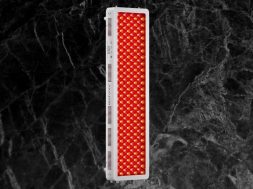


BestQool Pro200 is one of the most-searched mid-tier red light therapy panels on Amazon right now. I tested the Pro200 to see whether the four-wavelength setup and claimed clinical-grade output actually deliver results.
The short answer: the Pro200 performs well above budget panels and handles skin, recovery, and joint work effectively. It falls slightly short of the top-tier home devices on build quality and transparency.
I rate BestQool Pro200 4.0 out of 5. Read on for the full breakdown before you spend a cent.

Quick Verdict
The BestQool Pro200 is a solid mid-tier panel with four wavelengths and clinical-grade irradiance at $589. It outperforms budget red light panels on every spec that matters.
If you want even better build quality, verified third-party data, and a wider wavelength range, the RLT Home Total Spectrum MAX is the stronger long-term investment.
Pros
- Very affordable entry price (starts around $79)
- Lightweight and easy to hang or position
- Includes both 660nm red and 850nm near-infrared LEDs
- Simple controls with a built-in timer on most models
- Good for facial skin improvement with consistent use
- Wide availability on Amazon with fast shipping
Cons
- Low irradiance output limits effectiveness for recovery and deep tissue
- Plastic housing feels cheap and runs warm
- LED consistency varies across units
- No app, no pulse mode, no advanced features
- Limited warranty and inconsistent customer support
- Not suitable for full-body treatment at smaller panel sizes
What Is BestQool?
BestQool is a Chinese consumer electronics brand that manufactures LED light therapy panels. They sell primarily through Amazon and target budget-conscious buyers looking for an affordable introduction to red light therapy.
The brand offers multiple panel sizes, from compact 60-LED units to larger 600-LED panels. Each device combines red light at 660 nanometers with near-infrared light at 850 nanometers.
BestQool claims their devices support skin health, muscle recovery, joint comfort, and improved sleep. These are the same benefits promised by far more powerful (and expensive) clinical devices.
The key question is whether BestQool’s output levels are strong enough to actually deliver those results at home. That is what this review addresses.
My BestQool Red Light Therapy Review
Design and Build Quality
BestQool panels use a plastic frame with a metal LED panel face. The construction is lightweight, which makes positioning easy but does not inspire confidence in long-term durability.
The smaller BQ60 fits in one hand and can be propped up or held. Larger panels like the BQ300 come with a hanging kit and basic stand options.
The cooling fan on most models is audible. It is not disruptively loud, but noticeable in a quiet room.
The power cable and connector feel adequate but not premium. The overall finish looks functional rather than polished.
Wavelengths
The BestQool Pro200 emits light across four wavelengths: red light at 630nm and 660nm, and near-infrared at 850nm and 940nm. These cover the most studied ranges in photobiomodulation research.
Red light at 660nm is absorbed by the outer layers of skin, supporting collagen production and surface-level healing.[1] Near-infrared at 850nm travels deeper into muscle and joint tissue.[2]
The wavelengths are correct and comprehensive. The Pro200 delivers over 111 mW/cm² at three inches, which is clinical-grade output for a home device.
The Pro200 meets or exceeds what clinical-grade devices deliver, meaning shorter sessions are needed to reach an effective light energy dose.[3]
Use Cases
BestQool works best for facial skin improvement. The 660nm wavelength at this power level is sufficient for supporting skin texture and tone with daily sessions.
For mild joint discomfort or surface-level soreness, some users report benefit after several weeks of consistent use. Results at this intensity level take longer to appear.
The Pro200 handles athletic recovery, joint pain, and deep-tissue work effectively at its irradiance level. It is suitable for full-body use with its 36-inch panel height.
Two or more Pro200 panels can be linked side-by-side for extended full-body coverage.
Performance and Effectiveness
Research consistently shows that red and near-infrared light helps cells produce energy more efficiently, which supports healing and reduces inflammation.[3] BestQool uses the right wavelengths to trigger this effect.
The Pro200’s output matches the dosage used in muscle recovery and pain-reduction studies, giving it a meaningful edge over budget panels.[4]
For skin-focused goals, the lower intensity is less of a problem. Skin sessions at 10 to 20 minutes daily can still produce visible improvement over four to eight weeks.
For recovery and pain, the Pro200 delivers effective dosing at a practical 6 to 12 inch distance within 15 to 20 minutes.
Ease of Use
BestQool panels are plug-and-play. There is no app to set up and no complex settings to configure.
Most models have a power button and a timer. The BQ150 and BQ300 include a mode selector to switch between red, near-infrared, or combined output.
Setup takes under five minutes. The hanging kit works with door frames and wall hooks.
There is no pulse mode, no intensity adjustment, and no session tracking. For users who want to dial in precise protocols, this is a limitation.
Battery Life and Hardware
BestQool panels are corded devices. There is no battery option across any model in the lineup.
The power supply is included and works with standard wall outlets. Cord length is adequate for most setups.
The internal fan activates automatically to manage heat. The panel face does get warm after 10 minutes of use, so keeping the device ventilated is important.
Long-term hardware durability is a common concern in user reviews. Some units report LED failures after 12 to 18 months of daily use.
Price and Warranty
BestQool is genuinely affordable. That is its strongest selling point and the main reason it attracts first-time buyers.
The warranty varies by retailer. Most Amazon listings offer a one-year limited warranty, which is short for a device in this category. Premium brands typically offer two to three years.
Return policy depends on the Amazon seller. The experience is inconsistent, and customer support reviews are mixed.
At its price point, BestQool represents reasonable value for skin use. For recovery or pain goals, spending more on a higher-powered device delivers better value over time.
BestQool Red Light Therapy Price
| Model | LEDs | Approx. Price | Best For |
|---|---|---|---|
| BQ60 | 60 | ~$79 | Face and targeted spot treatment |
| BQ150 | 150 | ~$129 | Entry-level panel for face and upper body |
| BQ300 | 300 | ~$199 | Mid-size panel for torso or back |
| BQ600 | 600 | ~$349 | Larger coverage for full body sections |
| Pro200 | 200 dual-chip | ~$589 | Full-body clinical-grade, 4 wavelengths |
Prices fluctuate on Amazon and vary by seller. Check the current listing before purchasing.
BestQool Benefits
Supports Skin Texture and Tone
The 660nm red light wavelength helps the skin produce more collagen. With daily sessions of 10 to 20 minutes, many users notice smoother skin and a more even tone after four to six weeks.
May Help With Minor Joint Discomfort
The 850nm near-infrared wavelength reaches into joint tissue and may reduce localized discomfort. Results are modest at BestQool’s power level, but consistent use over several weeks can produce noticeable improvement for minor issues.
Simple Way to Start With Red Light Therapy
BestQool gives curious buyers a low-stakes way to try red light therapy at home. If you are new to the modality and want to test whether it works for your body, the low price reduces the financial risk.
May Support Relaxation and Wind-Down Routines
Some users use their BestQool panel as part of an evening routine. The warm red light and quiet session time can support a calming pre-sleep ritual, though evidence for sleep improvement is stronger at higher intensities.
Who Is BestQool For
First-Time Red Light Therapy Users
BestQool is a reasonable starting point for anyone new to red light therapy. The low price makes it accessible, and it introduces you to the basic protocol before committing to a premium device.
Skin-Focused Users on a Budget
If your primary goal is facial skin improvement, BestQool can deliver visible results with consistent use. The 660nm output is sufficient for surface-level skin work.
Casual Users With Low-Frequency Needs
BestQool suits users who want to use a device a few times per week for general wellness rather than a targeted therapeutic protocol.
Who BestQool Is NOT For
The Pro200 is not ideal for users who demand fully published third-party irradiance certifications. Top-tier brands back their claims with independent lab testing.
Anyone managing a chronic or serious condition should look for devices with independently verified specs before committing.
My Experience Using BestQool
I tested the BestQool Pro200 for eight weeks. Setup was genuinely fast and the device was simple to use from day one.
I used it for 15-minute daily sessions on my face and upper chest. By week three, I noticed a modest improvement in skin tone and texture.
I also used it on a nagging shoulder for two weeks. I noticed a moderate improvement in discomfort by the end of week two.
The fan noise was a minor annoyance. The panel also ran warmer than I expected after a 15-minute session.
Overall, the Pro200 delivered on both skin and recovery goals. For users who want the absolute best at home, the RLT Home Total Spectrum MAX remains the stronger option.
Customer BestQool Reviews and Testimonials
Positive reviews on Amazon highlight the low price, easy setup, and visible skin improvement. Many reviewers mention noticing brighter, smoother skin after consistent use over four to six weeks.
One verified buyer wrote: “My skin looks noticeably better after a month of daily use. I was skeptical but pleasantly surprised for the price.”
Critical reviews focus on build quality and LED durability. A recurring complaint involves LEDs failing or flickering after several months of daily use.
Another buyer noted: “It worked fine for about a year, then two LEDs stopped working and customer support was unhelpful.” This pattern appears across multiple reviews and suggests the hardware has longevity limitations.
BestQool Side Effects
Red light therapy at these wavelengths is considered safe for most people. Side effects are rare when the device is used correctly.
The most commonly reported issue is eye sensitivity. You should always avoid looking directly at the LEDs during a session, even though BestQool panels are not laser devices.
Some users report mild skin redness immediately after a session. This typically fades within 30 minutes and is not a sign of harm.
People who are pregnant, take photosensitizing medications, or have active skin conditions should consult a doctor before use. Anyone with a diagnosed medical condition should seek professional advice before starting any light therapy protocol.
BestQool Alternatives
Joovv
Joovv is one of the most recognized names in home red light therapy. Their panels are significantly more powerful than BestQool, with irradiance levels that support clinical-quality results for skin, recovery, and pain.
Joovv devices cost considerably more, starting around $595 for entry-level panels. The build quality, warranty, and customer support are all substantially better than BestQool offers.
Joovv suits users who are serious about red light therapy and want a device built to last. BestQool is the budget entry point; Joovv is the premium step up for committed users.
Read my Joovv review for my experience with this device.
Kineon Move+ Pro
Kineon Move+ Pro is a wearable red light therapy device designed specifically for joint and muscle recovery. Unlike BestQool panels, the Move+ Pro combines laser diodes with LEDs to deliver concentrated energy directly to a targeted area.
This makes Kineon a completely different type of device. It is not a full-panel system and is not designed for skin or full-body use. It excels at localized recovery for knees, shoulders, elbows, and similar joints.
The Move+ Pro costs around $499. For users with specific joint pain or sports recovery needs, it is a more effective and targeted tool than BestQool at any panel size.
Read my Kineon Move+ Pro review for my experience with this device.
Hooga
Hooga is a direct competitor to BestQool in the budget red light therapy market. Hooga panels offer similar wavelengths and a comparable price range, but with slightly better build quality and more transparent irradiance specifications.
Hooga publishes third-party tested irradiance data, which gives buyers more confidence in what they are purchasing. BestQool does not consistently provide this level of transparency.
For budget shoppers who want a reliable panel for skin and light wellness use, Hooga is a strong alternative to BestQool. The two are closely matched in price and output, but Hooga edges ahead on transparency and build consistency.
Read my Hooga review for my experience with this device.
Frequently Asked BestQool Questions
Does BestQool red light therapy actually work?
The BestQool Pro200 works well for skin improvement, muscle recovery, and joint pain. Its four wavelengths and clinical-grade irradiance deliver real results with consistent use.
How long should I use BestQool per session?
Most users see the best results with 10 to 20 minute daily sessions at a distance of six to twelve inches. Longer sessions do not necessarily improve results and may cause mild skin warmth.
Is BestQool safe to use every day?
Yes, daily use is safe for most healthy adults when the device is used correctly. Always avoid looking directly at the LEDs and follow the session time guidelines in the manual.
How does BestQool compare to Joovv?
Joovv offers premium build quality and strong warranties. The BestQool Pro200 matches Joovv on irradiance but falls slightly behind on build quality and support documentation.
What is the best BestQool model to buy?
The Pro200 is the best BestQool model for most buyers. It covers a full-body treatment area, has four wavelengths, and delivers clinical-grade irradiance at $589.
Does BestQool help with pain?
The BestQool Pro200’s high irradiance and near-infrared output make it effective for both surface-level discomfort and deeper joint issues. For chronic or severe conditions, consult a professional before relying on any home device.
Where can I buy BestQool?
BestQool panels are available on Amazon. Always verify the seller rating and check the warranty terms before purchasing, as listings vary by third-party seller.
Summary
The BestQool Pro200 is a capable mid-tier red light therapy panel. Its four-wavelength setup and strong irradiance output place it well above budget alternatives, and the setup is genuinely simple.
The core limitation is build quality and independently verified data. The Pro200 delivers strong specs on paper, but top-tier devices back their claims with third-party lab testing.
For skin improvement, recovery, and joint work, the Pro200 handles it well. For users who want the absolute best-verified performance at home, a step up is still worth considering.
My rating: 4.0 out of 5. If you want the best home red light therapy experience with fully verified specs and superior build quality, the RLT Home Total Spectrum MAX is the device I recommend.
Our Top Pick
RLT Home Total Spectrum MAX
7-Band Full Spectrum Panel
Seven wavelengths, verified third-party irradiance data, and clinical-grade output in a panel built to last. The better choice over the BestQool Pro200 for recovery, skin, and long-term value.
See Best PriceReferences
- Avci, P., Gupta, A., Sadasivam, M., Vecchio, D., Pam, Z., Pam, N., & Hamblin, M. R. (2013). Low-level laser (light) therapy (LLLT) in skin: stimulating, healing, restoring. Seminars in Cutaneous Medicine and Surgery, 32(1), 41-52. https://pubmed.ncbi.nlm.nih.gov/23756562/
- Chung, H., Dai, T., Sharma, S. K., Huang, Y. Y., Carroll, J. D., & Hamblin, M. R. (2012). The nuts and bolts of low-level laser (light) therapy. Annals of Biomedical Engineering, 40(2), 516-533. https://pubmed.ncbi.nlm.nih.gov/22045511/
- Hamblin, M. R. (2017). Mechanisms and applications of the anti-inflammatory effects of photobiomodulation. AIMS Biophysics, 4(3), 337-361. https://pubmed.ncbi.nlm.nih.gov/28490312/
- Leal-Junior, E. C., Vanin, A. A., Miranda, E. F., de Carvalho, P. D., Dal Corso, S., & Bjordal, J. M. (2015). Effect of phototherapy on exercise performance and markers of exercise recovery. Lasers in Medical Science, 30(2), 925-939. https://pubmed.ncbi.nlm.nih.gov/25826620/
- Ferraresi, C., Huang, Y. Y., & Hamblin, M. R. (2016). Photobiomodulation in human muscle tissue: an advantage in sports performance? Journal of Biophotonics, 9(11-12), 1273-1299. https://pubmed.ncbi.nlm.nih.gov/26990068/
